Core Color-Switching Mechanic
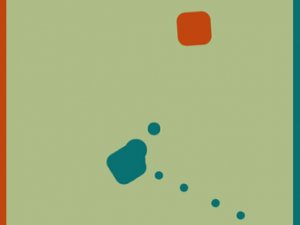
Color Match Puzzle Fun builds its entire challenge around a single, readable rule: the ball can only clear a cube when their colors match. Cubes descend from the top of the screen in blue and red, while the player's ball sits at the bottom. Because the ball starts without a usable color, the first meaningful decision is always where to send it. Red and blue walls line the sides of the play area. Shooting the ball into one of those walls changes its color to match. That two-step loop—recolor, then aim—is the game's central rhythm, and it stays consistent from the opening moments onward.
Reading the Play Area
Once the ball carries a color, the player aims it at cubes of the same shade. A blue ball clears blue cubes; a red ball clears red cubes. Mismatched shots waste time while new cubes continue to appear, so the practical skill is scanning the board before shooting rather than reacting after the fact. The layout stays uncluttered enough for young players to track, but the arrival of additional cubes creates gentle pressure to plan the next color change while clearing the current one.
Designed for Young Players
Controls are limited to touch or mouse input, which keeps the barrier to entry low for children. There are no complex rule sets, no violent imagery, and no inappropriate themes. The game uses bright, colorful graphics that support color recognition and early problem-solving rather than distracting from them. Its structure suits short sessions—quiet time at home or a brief break—where the goal is simply to clear the cubes on screen.
Building Color Recognition Through Play
Because every action depends on identifying red versus blue, the game doubles as low-stakes color practice. Players who improve tend to do so by recognizing the color of new cubes quickly and deciding on their next wall shot in advance. That habit—look ahead, then act—is the same planning behavior the game quietly encourages throughout. Difficulty rises as more cubes appear, but the underlying rule never changes, so the learning curve stays approachable for its intended audience.









Editorial Notes