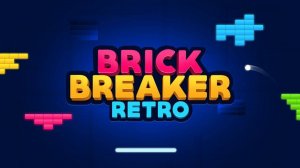
How the Paddle and Ball Interact
Everything in Paddle Bounce Block Smasher revolves around one continuous exchange: you move a paddle along the bottom of the screen, a ball travels around the play area, and each contact between ball and paddle sends the ball back upward. When the ball reaches the block arrangement at the top, the block it touches disappears. Clear every block to finish the stage. The ball's rebound angle shifts depending on where it meets the paddle, so where you position the paddle matters as much as whether you reach the ball at all. That single rule creates the game's entire decision space.
Stage Patterns and Shifting Strategies
Each stage introduces a different block layout. Some arrangements sit high on the screen, forcing longer ball travel and more reaction time; others spread wide across the play area, which changes the angles available for clearing them. Because the ball's direction depends on paddle contact, a pattern that looks simple can demand precise positioning once only a few blocks remain. The game raises difficulty by tightening the margin for error rather than adding new rules, so the skills you build early stay relevant later.
Controls and Session Flow
Paddle movement supports mouse, touchscreen, and keyboard arrows. No menus or setup steps stand between launching the game and playing, and there are no time limits. Individual stages run roughly one to three minutes, which suits short breaks. If the ball drops, the current stage restarts, and that forgiving structure encourages another attempt rather than punishing mistakes.
Presentation and Tone
Bright solid colors distinguish the blocks from a clean background, keeping attention on the ball. The paddle and ball are simple shapes, and the visual style references 1980s arcade cabinets. Audio stays minimal: a gentle tone when a block breaks and a soft alert as the ball nears the bottom. The combination keeps the experience calm rather than tense, which fits the family-friendly framing.




Editorial Notes