Ten Events, One Stadium
Peak Athletics Stadium covers ten track-and-field disciplines: sprints, obstacle runs, vertical leaps, horizontal jumps, and projectile tosses. The 100-meter dash measures acceleration and top speed, while hurdles add a rhythmic timing layer. Jumping events ask players to judge approach speed and release point. Throwing events center on trajectory and force. Each event recreates the physical demands of its real-world counterpart without complex button combinations.Gesture-Based Controls
The control scheme matches the on-screen action. Races use rapid tapping or swiping to drive the athlete forward, with an on-screen indicator showing pace. Jumping and throwing events use press-and-hold to build power, followed by a timed release. Tosses rely on drag-and-release to set angle and strength. A brief tutorial overlay explains each event's required input, so players can start competing without lengthy practice.Clean Visuals and Immediate Feedback
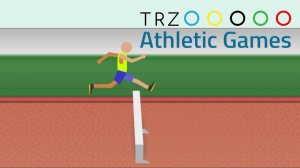
Graphics favor clarity over realism. Simple, readable animations show running strides, jump arcs, and throwing motions. Each event has its own stadium color scheme, helping players identify the discipline at a glance. Scoreboards and distance markers update in real time, giving instant feedback on performance. The family-friendly presentation keeps attention on the athlete and the field.Practice, Records, and Local Rivalry
Solo players can chase personal bests across all ten events, with performance tracked over multiple attempts. A local multiplayer option allows up to four participants to take turns in a chosen event, comparing scores after each round. There is no career mode or unlockable content, so motivation comes from improving times and distances. Players who enjoy setting and beating records will find lasting value.Timing and Technique
Success depends on learning each event's specific rhythm. Running disciplines reward a steady, consistent tapping pattern rather than frantic speed. Jumping events require careful calibration of power and release angle, since overcharging can reduce control. Throwing events demand a balanced approach to power and trajectory, with each event having its own optimal angle. Regular practice helps players internalize these nuances and see measurable improvement.Compatibility
💻 Desktop | 📱 Mobile | 📟 Tablet
– All supported · Best with Chrome or Safari










Editorial Notes