The Core Merge Mechanic
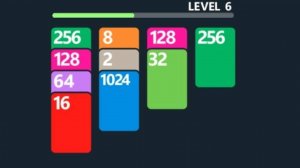
Merge to 2048: Card Puzzle takes the familiar number-sliding concept and reworks it as a card game. Every move starts with a swipe in one of four directions. All cards on the 4x4 grid slide as far as they can go. When two cards showing the same number collide, they merge into a single card worth double the value. Each swipe also introduces a new card, so the board becomes more crowded with every action. Reaching a card numbered 2048 is the primary objective, but play can continue afterward for higher scores.
Controls and Platform Flexibility
The game accepts both mouse and touch input. On desktop, you can click and drag or use directional keys if supported; on tablets and smartphones, you swipe. The interface responds without delay, and there are no timers or countdowns. That means you can study the board, consider where the next card might appear, and choose a direction without rushing. This control scheme works equally well for short breaks and longer planning sessions.
Visual Feedback and Score Tracking
Each card has its own color and number, so merges are easy to read at a glance. The grid rearranges after every swipe, which keeps the puzzle from feeling static. A current score and a best score are displayed, giving you a clear target to beat. The card theme adds a tactile quality that distinguishes it from a plain tile-based number puzzle.
Planning Over Speed
Because a new card appears after every move, random swiping quickly clogs the grid. Keeping your highest-value card in one corner is a common way to maintain control. Scanning for merge opportunities before you swipe helps you build larger numbers without boxing yourself in. The game rewards patience and deliberate choices rather than fast reflexes.








Editorial Notes