How the Grid Puzzle Works
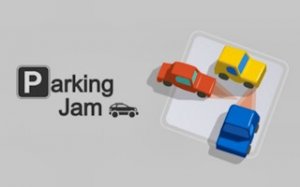
Each level places a set of vehicles on a grid, arranged in rows and columns. You select a vehicle and slide it along its lane into an empty space. The goal is to clear a path so the designated vehicle can reach the exit. The rule is simple, but the layout often hides a deeper logical challenge. Early puzzles introduce the sliding mechanic with few obstacles, letting you learn the basics without frustration. Later grids become more crowded, and the number of required moves grows.
Difficulty Curve and Level Design
The game structures challenges in a deliberate sequence. Initial stages act as tutorials, teaching the core slide with minimal blockers. Each new group of puzzles adds a layer of complexity, such as longer vehicles or tighter spaces. Difficulty ramps up gradually, so you build confidence before facing tougher configurations. There are no timers or scoring pressures, so you can solve at your own pace. This makes the experience accessible to younger players while still offering depth for seasoned puzzle fans. Progress feels tangible as you move from two-move solutions to multi-step sequences.
Visual Clarity and Interface
The interface keeps a clean, uncluttered look that focuses attention on the puzzle. Vehicles are color-coded to tell them apart, and grid lines are clearly defined. Buttons for restarting a level or returning to the menu are always visible, reducing confusion. The lack of distracting animations or sound effects helps maintain a calm atmosphere. This design supports thoughtful problem-solving. The overall look is functional and pleasant, avoiding unnecessary flair that might interfere with concentration.
Strategic Thinking and Problem Solving
Beyond simple movement, each puzzle demands a broader strategy. You often need to move several vehicles just to create temporary space for the target car. Recognizing which vehicles block the path and deciding the order of moves becomes crucial. Some configurations require sacrificing progress in one area to gain an advantage in another. This layered decision-making exercises logical reasoning and forward planning. The game does not punish mistakes harshly; restarting is quick and encourages trying different approaches. Over time, you develop a mental toolkit of common patterns and solutions, which makes later puzzles feel more manageable.






Editorial Notes