Emergency Response, Step by Step
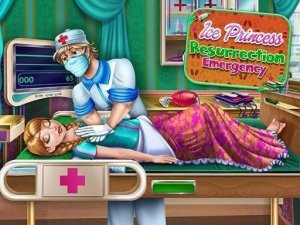
The game structures its medical sequence around real-world emergency procedures. Players first identify signs of distress, then perform chest compressions at a steady pace. A defibrillator becomes available to restore normal heart rhythm, with on-screen cues guiding correct placement and timing. After revival, the focus moves to giving medication and encouraging fluid intake. Each action depends on the previous one, so order and pacing matter throughout.
Feedback Without Real-World Risk
Color-coded indicators and clear prompts tell players whether an action was performed correctly. This immediate feedback loop lets players see the consequences of their choices in a calm, supportive setting. There are no failure states or time pressure, so players can repeat the sequence as often as they like until they feel comfortable with each step. [IMG_1]
Post-Care Customization
Once the medical portion is complete, the tone shifts. Players can select different outfits and accessories for the princess, serving as both a reward and a way to decompress after the focused learning activity. This segment adds personal expression without undermining the educational content that came before it.
Designed for Family Learning
Every element stays non-threatening and age-appropriate. Medical procedures are simplified to avoid graphic detail while still conveying essential concepts. The absence of timers or losing conditions encourages thoughtful interaction, making the game suitable for children and adults who want to discuss health and empathy together. [IMG_2]







Editorial Notes