Core Platforming Mechanics
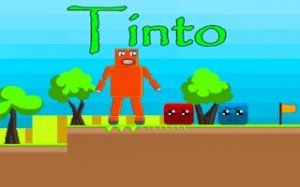
Tinto Jump & Run Adventure sticks to the fundamentals of the 2D platformer genre. You move left and right and jump with keyboard keys, but the double jump is the mechanic that shapes every stage. That second mid-air press lets you reach higher platforms and clear wider gaps than a single jump would allow. It also introduces a small timing decision on nearly every obstacle: jump early and you may waste the second jump, jump late and you may not clear the gap at all. Hazards like spikes and roaming enemies punish mistimed inputs by sending you back to the start of the level, so each stage asks you to read the layout before committing to a route.
Level Goals and Progression
Each level has two clear objectives: collect the shiny coins scattered across the stage and touch the yellow flag at the end. The coins are not just decorative; gathering them encourages you to explore side paths and take risks you might otherwise skip. Difficulty rises gradually across the multiple unique levels, so early stages teach the basic jump rhythm while later ones combine hazards and gaps in tighter arrangements. Because the game avoids a complex story, the progression is purely about your growing comfort with the controls and your ability to plan jumps ahead of time.
Presentation and Accessibility
The bright visual style and family-safe design keep the tone light. There is no violent or inappropriate content, which makes the game suitable for players of all ages, including younger children who are new to platformers. The responsive controls are tuned for precise movement, so the challenge comes from timing and observation rather than from fighting the input. Short play sessions work well: a single level can be finished in a few minutes, but the coin-collection goal gives you a reason to replay and improve your route.







Editorial Notes