What You Actually Do
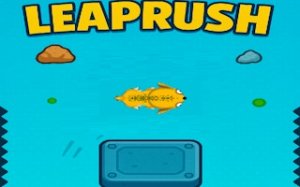
Each round places a dog on a small square platform in a calm underwater scene. New platforms appear around it, and your only input is a single click or tap that sends the dog leaping to the next one. A countdown timer runs the whole time, and the jump must happen before it hits zero. That is the entire loop: watch the timer, tap at the right moment, land, repeat.
How Difficulty Scales
The game does not add new buttons or rules as you go. Instead, every successful jump nudges the speed upward, which shortens the window you have to react. Early jumps feel forgiving; later ones demand that you commit a fraction of a second sooner. Because the timer is always visible, the pressure is transparent rather than hidden, and a round ends the moment you mistime a jump or let the clock expire.
Why the Calm Presentation Matters
The ocean backdrop and the dog character are deliberately low-key. There are no explosions, no score pop-ups fighting for attention, and no busy UI. That restraint is functional: when the only thing changing is the timer and the platform position, your eyes stay locked on the two elements that decide whether the round continues. The contrast between a peaceful scene and rising speed is the game's main source of tension.
Session Length and Who It Suits
Rounds are short by design. You can play one attempt in under a minute, which makes Paw Leap easy to fit between other tasks. It suits players who want a reflex test without a tutorial, a story, or a control scheme to memorize. The trade-off is depth: there is no progression system, no unlockables, and no variation in the core action beyond raw speed, so the appeal rests entirely on chasing a higher personal best.








Editorial Notes