Core Flight Mechanics
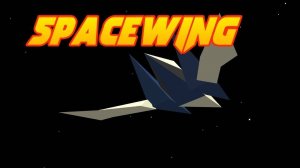
Space Wing Explorer puts you in direct control of a spaceship moving through a star-filled environment. Using a mouse or touch screen, you steer the ship left and right. The only actions are lateral movement and careful positioning. Your goal is twofold: collect as many glowing stars as possible and avoid colliding with drifting objects. A single collision ends the flight, so every movement carries a small risk. The game starts instantly in a browser with no downloads, making it easy to begin a session.
Pacing and Difficulty Curve
The game begins at a manageable speed, but as you fly deeper, the pace gradually increases. This shift forces you to rely on anticipation rather than reaction alone. Early on, you have time to plan a path toward stars while keeping a safe distance from obstacles. Later, the same decisions must be made faster, and small mistakes become more costly. The challenge comes from maintaining steady attention over time, not from complex rules or multiple buttons.
Visual and Audio Style
Colorful graphics and a smooth frame rate keep the experience readable. Stars sparkle against a dark backdrop, and drifting objects are clearly visible, which helps you judge distances. The overall presentation avoids harsh or aggressive imagery, matching the family-friendly tag. There is no combat, no weapons, and no conflict—just navigation and timing. This makes the game suitable for short breaks or longer play sessions without exposure to inappropriate content.
Session Structure and Appeal
Each run is self-contained. You start fresh, accumulate points by collecting stars, and try to beat your previous score. The game does not require a time commitment or a tutorial. Because the controls are simple and the difficulty ramps up naturally, it appeals to casual players who want a light challenge and to anyone who enjoys reflex-based arcade games. The lack of a fail state beyond collision keeps the tone relaxed, even as the speed increases.









Editorial Notes